Product Photography Tips for E-commerce Success
Great product photography can significantly impact your sales. Here are our top tips for photographing products.
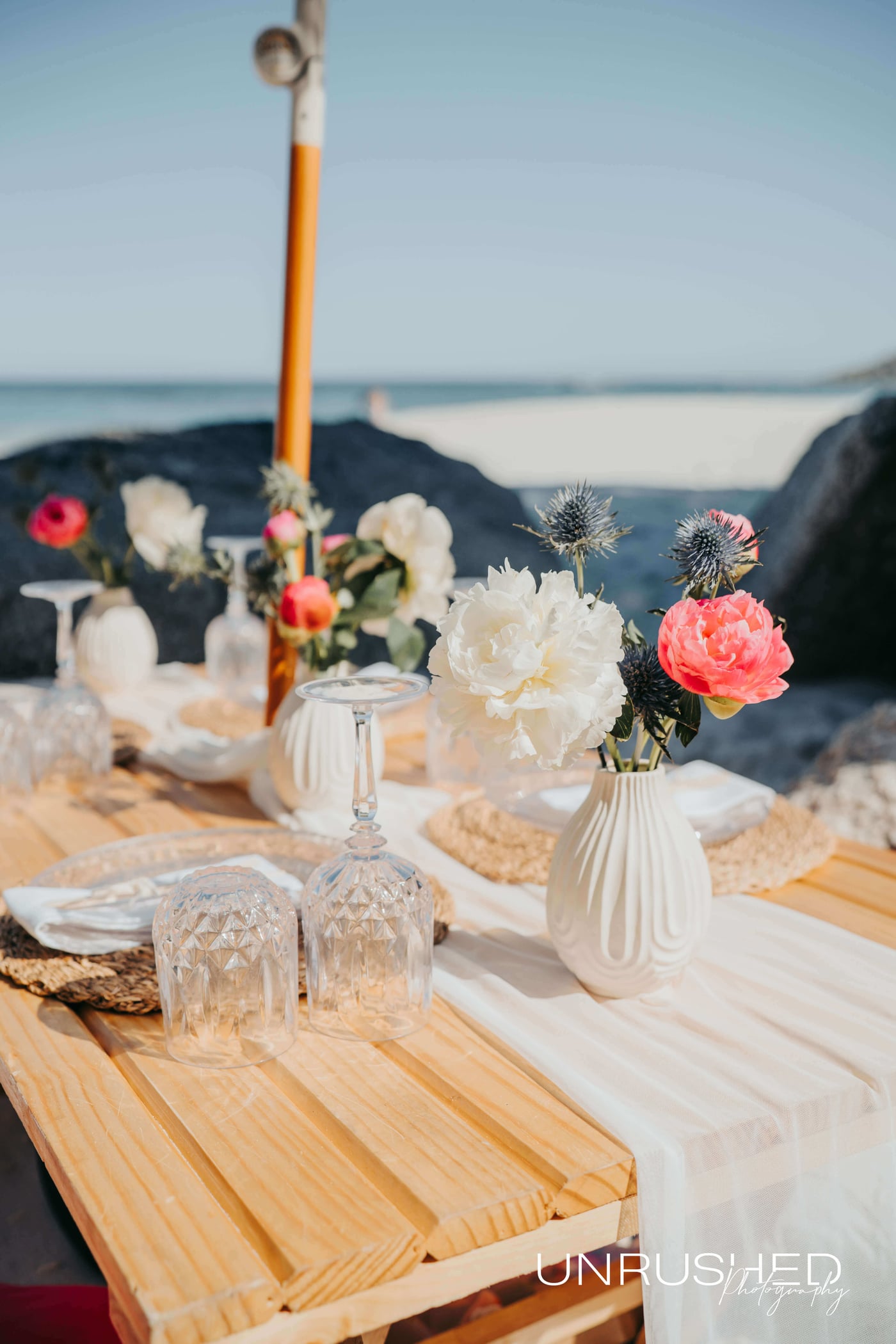
Lighting is Key to Product Photography
Proper lighting makes all the difference in product photography, and it's often the biggest factor separating amateur from professional images. We use a combination of main lights, fill lights, and reflectors to showcase your products in the best possible way. The goal is to eliminate harsh shadows, highlight product features, and make your products look irresistible.
For most products, we use soft, diffused lighting that wraps around the item without creating harsh shadows. Key light illuminates the main subject, while fill light reduces shadows and reveals detail. Backlighting can add dimension and make products pop off the background. The specific lighting setup depends on your product—jewelry requires different lighting than electronics, which requires different lighting than apparel.
Natural window light can work beautifully for smaller products, but it's inconsistent and weather-dependent. For e-commerce, having controlled studio lighting ensures consistent results across your entire product catalog, which is essential for a professional online store.
Background and Styling Strategy
The background should complement and enhance your product, not distract from it. Pure white backgrounds are popular for e-commerce because they're clean, professional, and help focus attention entirely on the product. However, lifestyle backgrounds can work too—showing your product in context or with complementary items can help customers envision using or wearing it.
We work with various backgrounds, surfaces, and styling props to create compelling images that stand out. For fashion items, this might mean a model, styling, and natural settings. For luxury goods, it might mean elegant surfaces, premium materials, and artistic composition. For everyday items, clean backgrounds with subtle styling often work best.
Props should serve a purpose—either helping customers understand scale, showing use, or creating visual interest. Every element in the frame should contribute to selling the product.
Angles and Composition Best Practices
Showing your product from multiple angles helps customers make informed purchasing decisions. We typically capture:
- Hero/Feature Shot: The most flattering angle that showcases the product's best features
- Detail Shots: Close-ups highlighting texture, craftsmanship, and important details
- Scale/Context Shots: Images showing the product in use or next to familiar items for scale reference
- Alternative Angles: Additional perspectives showing different sides or features
- Lifestyle Shots: The product in a real-world context that helps customers envision owning it
Composition matters too. Avoid centering every shot—use the rule of thirds to create more dynamic images. Leave slight negative space around products so they can be easily integrated into various layouts. Ensure consistent perspective across similar products so your online catalog looks cohesive.
Technical Considerations
Shoot in RAW format for maximum editing flexibility. Use a tripod to maintain consistency and sharpness across your product line. Pay attention to white balance—products should look like they appear in person, not overly warm or cool. Use shallow depth of field strategically to isolate products, but ensure important details remain in focus.
Invest in post-processing to ensure consistency across your catalog. Products should have uniform color profiles, brightness, and style. This consistency, more than anything, communicates professionalism and builds customer confidence in your brand.